Pain relievers are medicines that reduce or relieve headaches, sore muscles, arthritis, or other aches and pains. There are many different pain medicines, and each one has advantages and risks. Some types of pain respond better to certain medicines than others. Each person may also have a slightly different response to a pain reliever.
Common pain relievers include:
Panadol
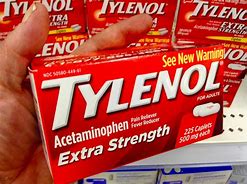
Tylenol
Ibuprofen
Aspirin
Antihistamines
Antihistamines are a class of medication that commonly treat allergy symptoms, like runny nose, sneezing and itchy eyes. They can also treat some digestive conditions.Antihistamines work by blocking histamine receptors. “Anti-” means “against.” Histamine is a chemical your immune system releases to send messages between different cells. Histamine has several functions, but it’s mainly known for its role in causing allergic and anaphylactic symptoms.Allergic reactions can happen due to several substances (allergens), including:
Environmental allergens, like pollen, dust and mold
Insect bites and stings.
Foods.
Medications.
Antibiotics
Antibiotics are powerful medications that treat certain infections and can save lives when used properly. They either stop bacteria from reproducing or destroy them.
Before bacteria can multiply and cause symptoms, the immune system can typically kill them. White blood cells (WBCs) attack harmful bacteria — even if symptoms occur, the immune system can usually cope and fend off the infection.
However, sometimes the number of harmful bacteria is excessive, and the immune system cannot clear them all. Antibiotics are useful in this scenario.
Anti-inflammatory drugs
Anti-inflamatory medicines work by blocking prostaglandins, which sensitize your nerve endings and enhance pain during inflammation. Prostaglandins also play a role in controlling your body temperature.
By inhibiting the effects of prostaglandins, Anti-inflamatory medicines help relieve pain and bring down a fever. Anti-inflammatory medications can be helpful in reducing many types of discomfort, including: