Give the person a chance to respond and express their views and opinions. Try to listen to the person without being judgemental or accusatory. Talk about the support available that can help the person reduce or stop their alcohol or drug use. Emphasise that you are happy to talk again and provide support.
Individual, group, and/or family therapy can help you identify the root causes of your drug use, repair your relationships, and learn healthier coping skills. Medication may be used to manage withdrawal symptoms, prevent relapse, or treat any co-occurring mental health condition such as depression or anxiety.
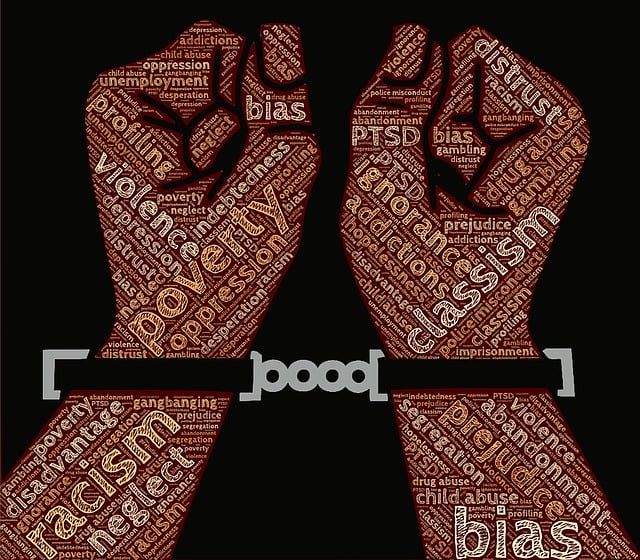
Don't fall to be a victim,Once you've committed to recovery, it's time to explore your treatment choices. While addiction treatment can vary according to the specific drug, a successful program often includes different elements, such as: Detoxification. Usually the first step is to purge your body of drugs and manage withdrawal symptoms.
Behavioral counseling. Individual, group, and/or family therapy can help you identify the root causes of your drug use, repair your relationships, and learn healthier coping skills.
Medication may be used to manage withdrawal symptoms, prevent relapse, or treat any co-occurring mental health condition such as depression or anxiety.
Long-term follow-up can help to prevent relapse and maintain sobriety. This may include attending regular in-person support groups or online meetings to help keep your recovery on track.

Being cured of a disease means its completely gone and isn't coming back. For many people, cures represent the ultimate treatment goal. Most diseases and conditions aren't curable. Still, this doesn't mean treatments can't provide good health and the peace of mind that goes along with them. Understanding what a cure is (and isn't) can help you better understand treatment goals and how to plan for the future if you're diagnosed with an incurable condition.