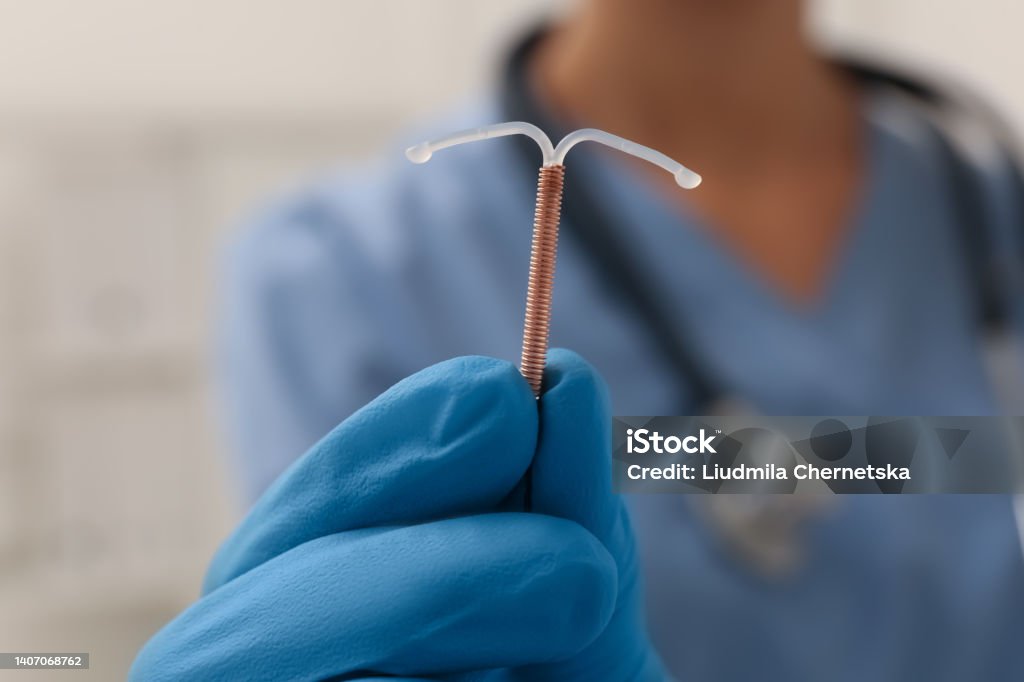
IUD
Last for 3 to 12 years
Ksh 3,50020% off

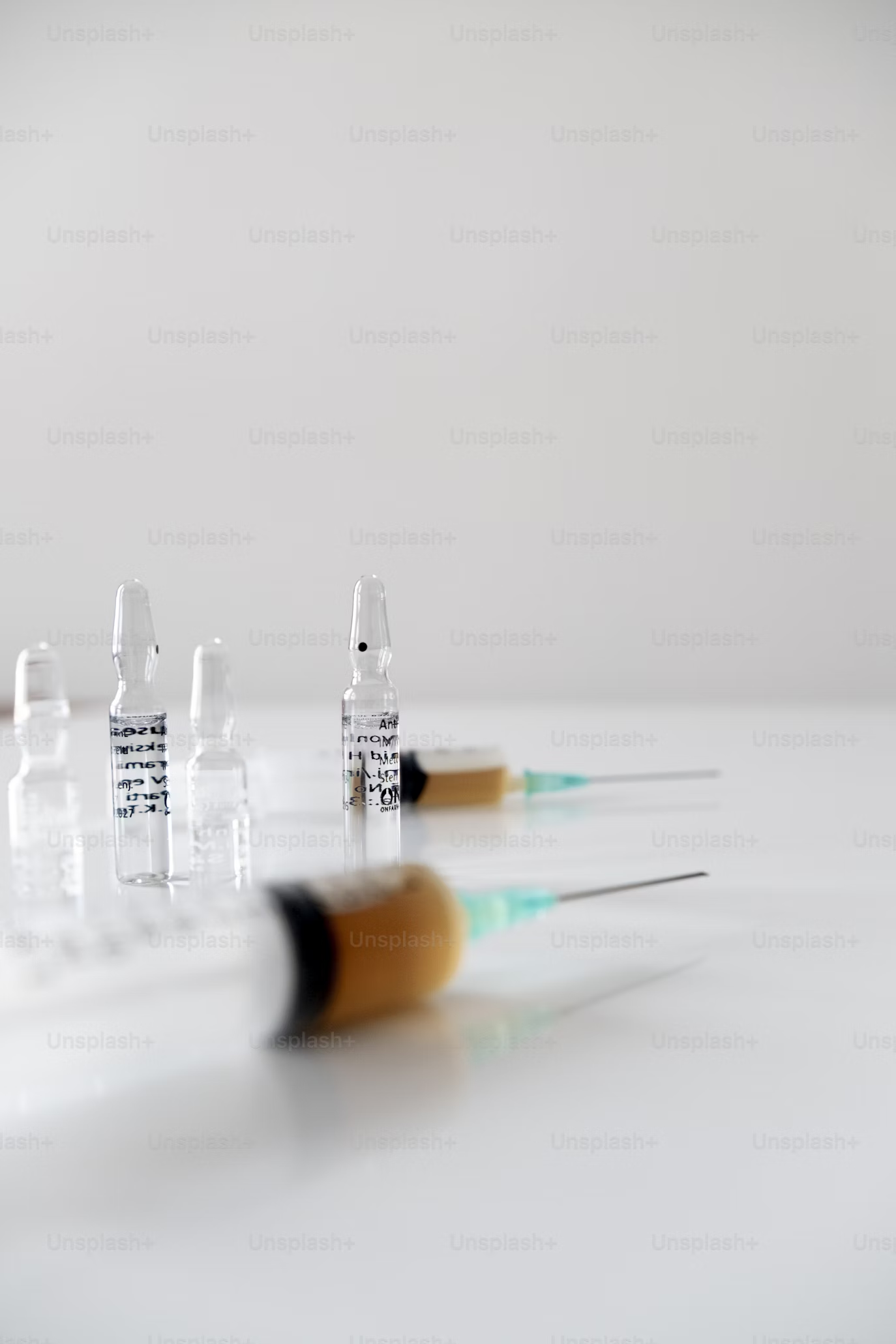
Birth Control Shot
Get every 3 months
Ksh 1,00020% off
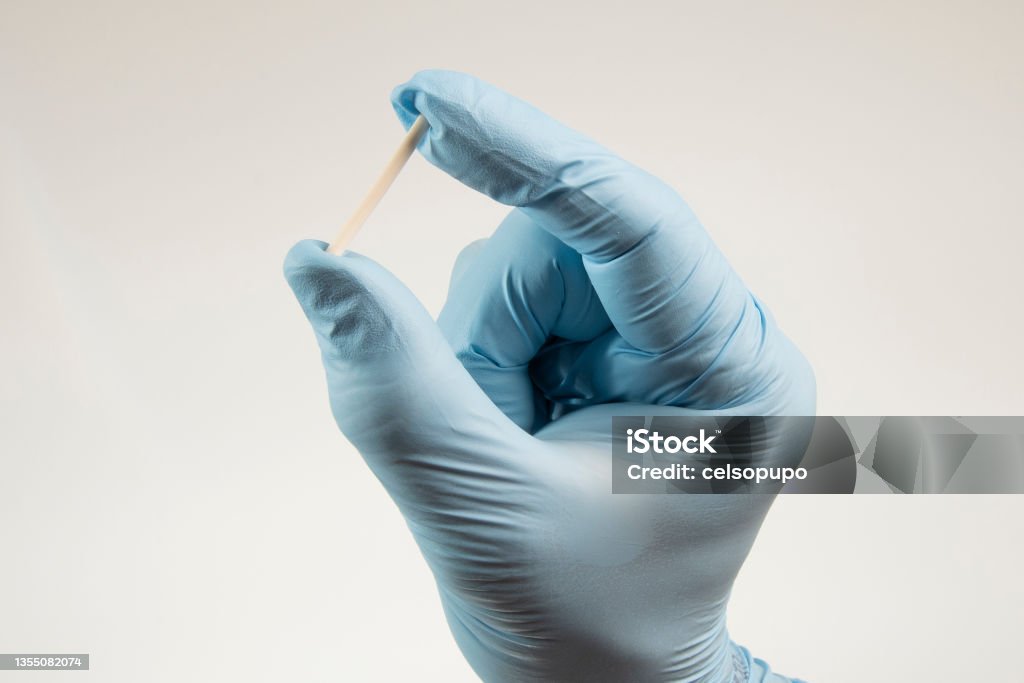
Implant
Lasts upto 5 years
Ksh 7,00010% off
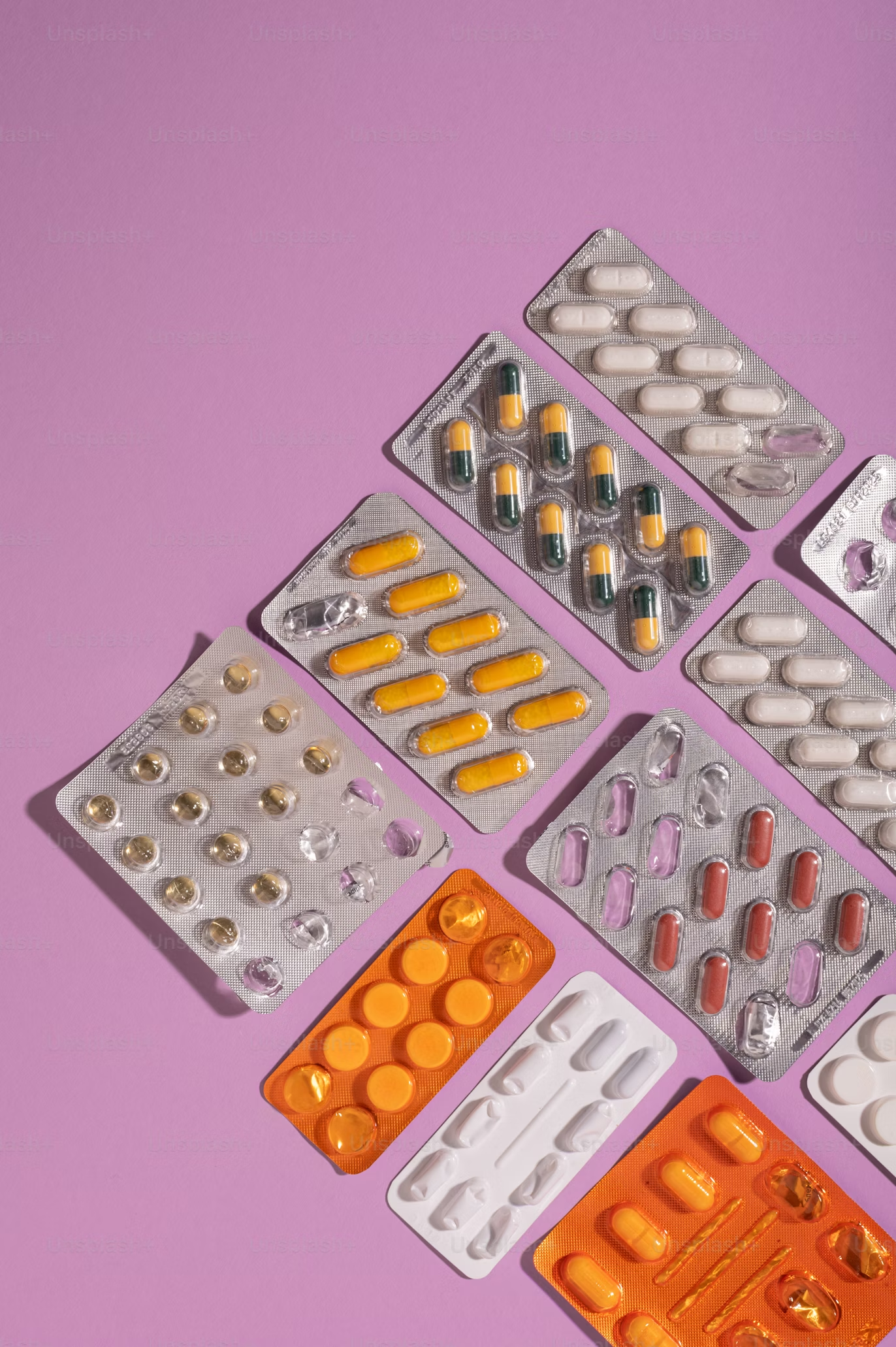
Birth Control Pill
Take Daily
Ksh 30010% off
Contraception, also known as birth control, is the use of medicines, devices, or surgery to prevent pregnancy. There are many different types.
SHOP HERE
Last for 3 to 12 years
Ksh 3,500
Get every 3 months
Ksh 1,000
Lasts upto 5 years
Ksh 7,000
Take Daily
Ksh 300
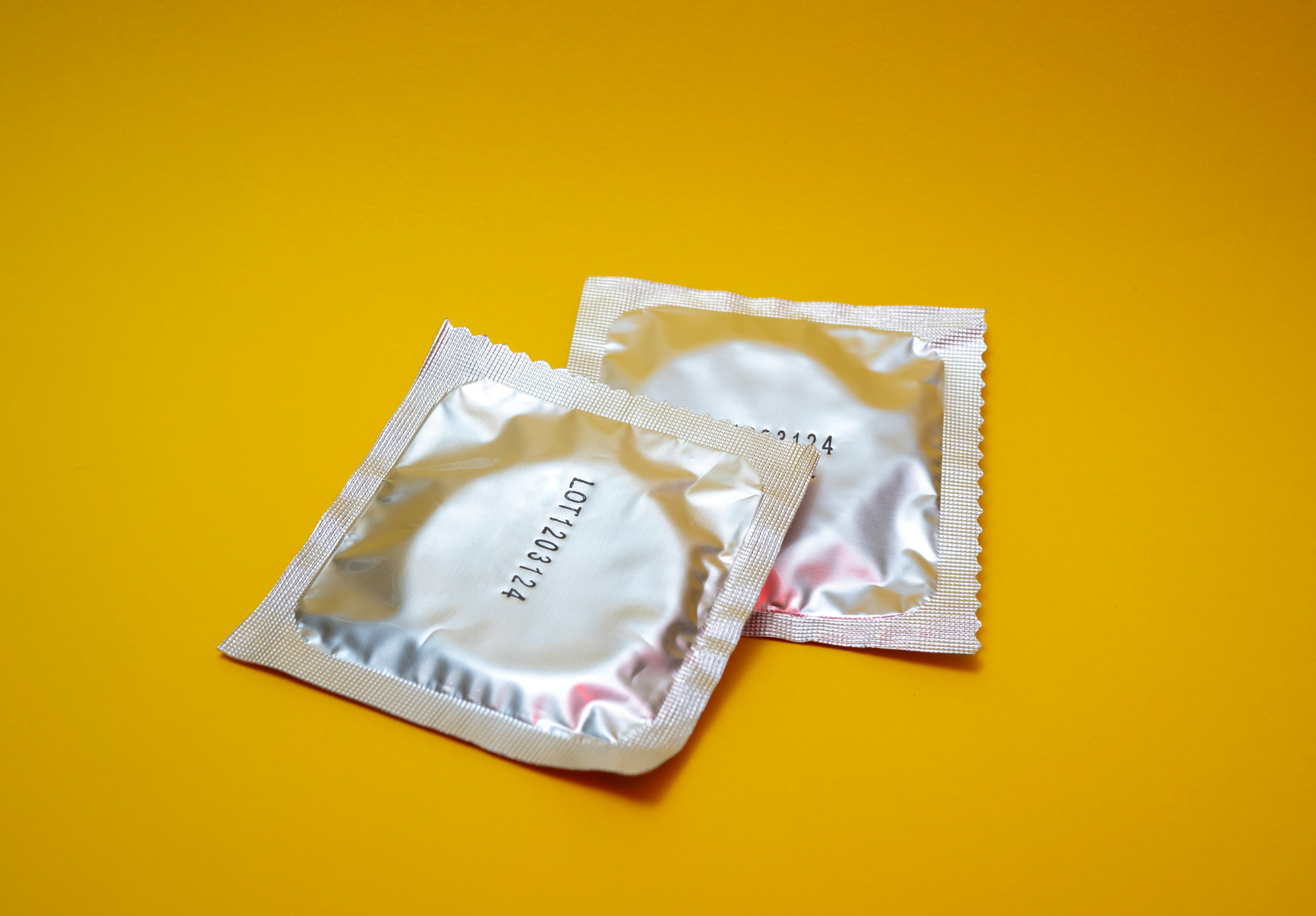
Use every time
Ksh 150
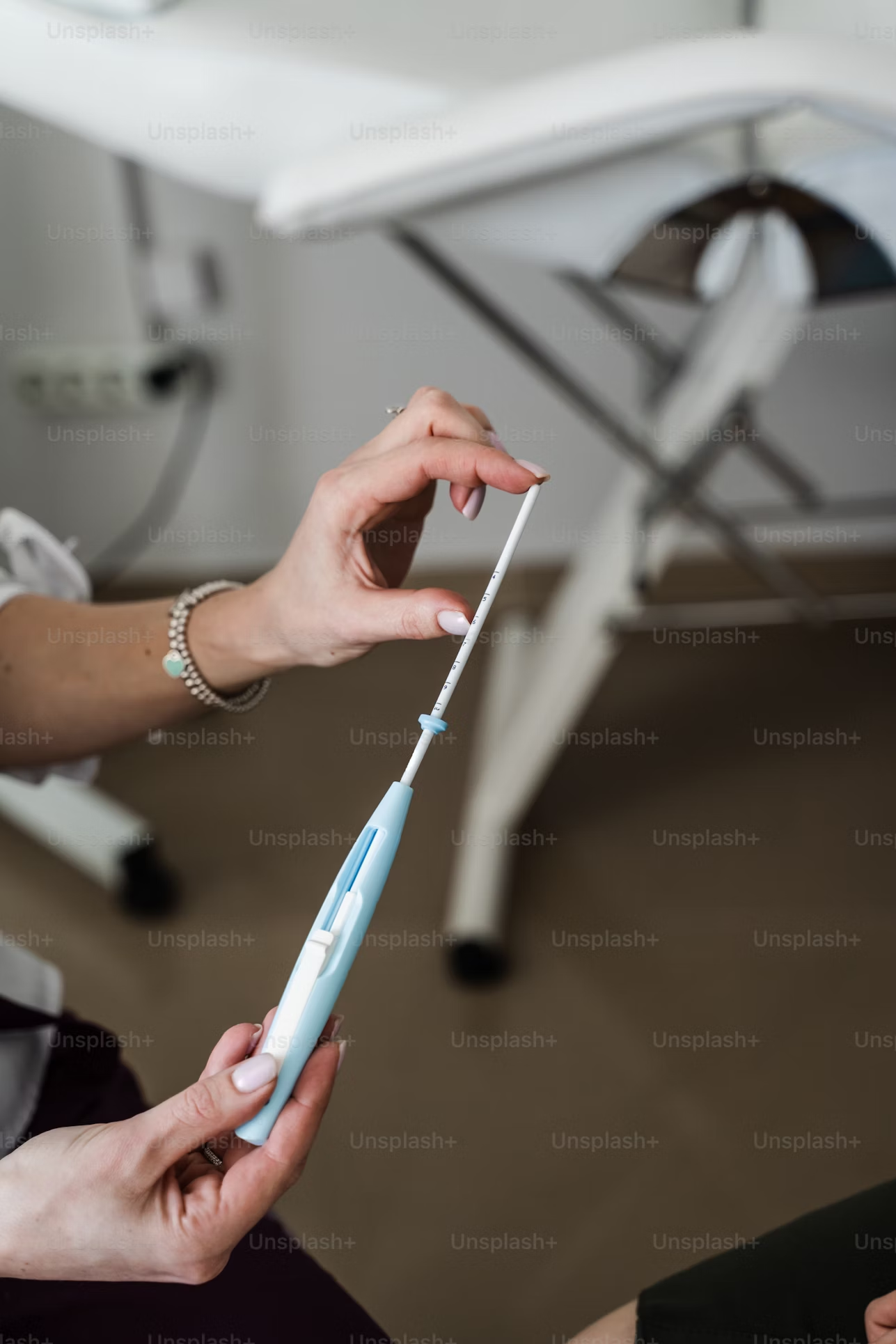
Use every time
Ksh 3,800
Permanent
Ksh 20,000+
Permanent
Ksh 15,000+
Puberty is a natural stage of development where a person's body goes through physical, emotional, and hormonal changes to transition from childhood to adulthood. It usually starts between the ages of 8 and 14 and can last several years. Everyone experiences puberty differently, but the changes are completely normal.
Puberty brings noticeable changes to the body. These include:
Puberty doesn't just affect the body—it also impacts emotions and thoughts. You may experience:
These feelings are a normal part of growing up, and talking to someone you trust can help.
Hormones like estrogen (in AFAB individuals) and testosterone (in AMAB individuals) trigger these changes. These hormones affect emotions, energy levels, and even how you think.
Since puberty increases sweat, oil, and body changes, taking care of personal hygiene is important. This includes:
Puberty can feel overwhelming, but remember:
Puberty is a journey toward adulthood. Embrace it, take care of yourself, and don't be afraid to ask questions!
Sexually Transmitted Infections (STIs) are infections that spread primarily through sexual contact, including vaginal, anal, and oral sex. Some can also be transmitted through blood, shared needles, or from mother to child during childbirth.
| Category | Disease/STI | Cause | Symptoms | Prevention | Treatment |
|---|---|---|---|---|---|
| Bacterial STIs | Chlamydia | Bacteria (Chlamydia trachomatis) | Pain during urination, discharge, pelvic pain | Condom use, regular testing | Antibiotics |
| Bacterial STIs | Gonorrhea | Bacteria (Neisseria gonorrhoeae) | Burning urination, discharge, swelling | Condom use, regular testing | Antibiotics |
| Bacterial STIs | Syphilis | Bacteria (Treponema pallidum) | Sores, rash, fever, organ damage if untreated | Condom use, early detection | Antibiotics (Penicillin) |
| Viral STIs | HIV/AIDS | Virus (Human Immunodeficiency Virus) | Weak immune system, weight loss, infections | Safe sex, PrEP, avoiding needle sharing | No cure, but antiretroviral therapy (ART) |
| Viral STIs | HPV (Human Papillomavirus) | Virus | Genital warts, cervical cancer risk | HPV vaccine, safe sex | No cure, but warts can be treated |
| Viral STIs | Herpes (HSV-1, HSV-2) | Virus (Herpes Simplex Virus) | Painful blisters, itching, flu-like symptoms | Safe sex, avoiding contact during outbreaks | No cure, but antiviral meds reduce symptoms |
| Viral STIs | Hepatitis B | Virus (Hepatitis B Virus) | Liver damage, jaundice, nausea | Hepatitis B vaccine, safe sex | No cure, but medications manage it |
| Parasitic STIs | Trichomoniasis | Parasite (Trichomonas vaginalis) | Itching, burning, discharge | Condom use, regular testing | Antibiotics |
| Fungal/STI-like | Yeast Infections | Fungus (Candida albicans) | Itching, burning, thick discharge | Good hygiene, wearing breathable fabrics | Antifungal medications |
| Parasitic STIs | Pubic Lice ("Crabs") | Parasite (Pthirus pubis) | Itching, visible lice in pubic hair | Avoiding infested bedding/clothing | Special shampoos & medications |