nairobian Change
Lorem ipsum dolor sit amet, consectetur adipisicing elit. Cum molestiae dignissimos ipsum quis expedita.


Nilotics

culture
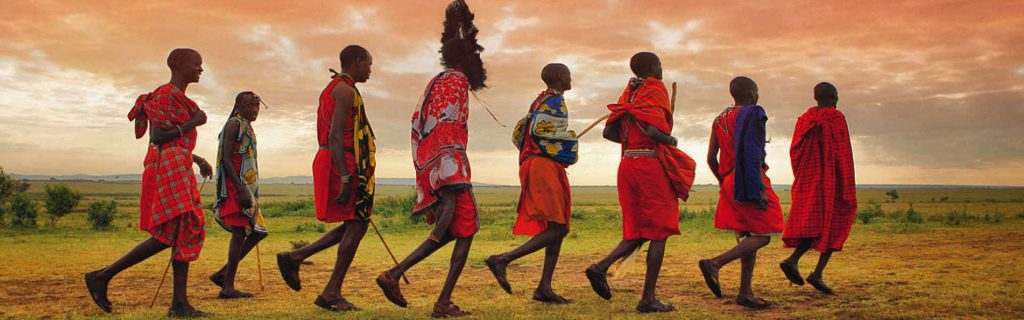
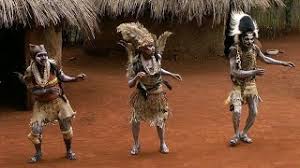
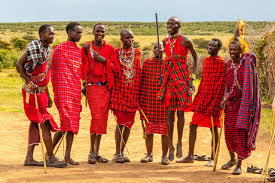
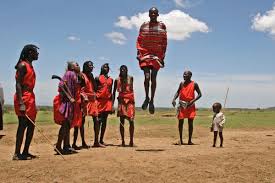
Most Nilotes continue to practice pastoralism, migrating on a seasonal basis with their herds of livestock.[4] Some tribes are also known for a tradition of cattle raiding.[42] Through lengthy interaction with neighbouring peoples, the Nilotes in East Africa have adopted many customs and practices from Southern Cushitic groups. The latter include the age set system of social organization, circumcision, and vocabulary terms.[4][43] In terms of religious beliefs, Nilotes primarily adhere to traditional faiths, Christianity and Islam. The Dinka religion has a pantheon of deities. The Supreme, Creator God is Nhialic, who is the God of the sky and rain, and the ruler of all the spirits.[44] He is believed to be present in all of creation, and to control the destiny of every human, plant, and animal on Earth. Nhialic is also known as Jaak, Juong, or Dyokin by other Nilotic groups, such as the Nuer and Shilluk. Dengdit or Deng, is the sky God of rain and fertility, empowered by Nhialic.Deng's mother is Abuk, the patron goddess of gardening and all women, represented by a snake.[46] Garang, another deity, is believed or assumed by some Dinka to be a god suppressed by Deng. His spirits can cause most Dinka women, and some men, to scream. The term Jok refers to a group of ancestral spirits. In the Lotuko mythology, the chief God is called Ajok. He is generally seen as kind and benevolent, but can be angered. He once reportedly answered a woman's prayer for the resurrection of her son. Her husband, however, was angry and killed the child. According to the Lotuko religion, Ajok was annoyed by the man's actions and swore never to resurrect any Lotuko again. As a result, death was said to have become permanent.
bantus
Gikuyu
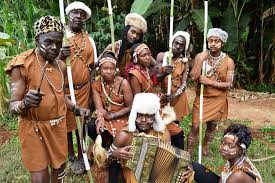
costal
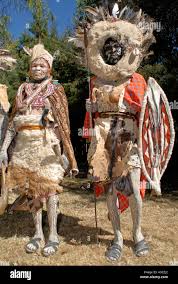
meru
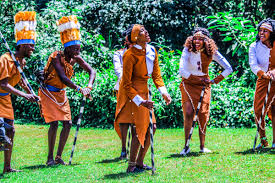
Kamba